Side effects
Fatigue on GLP-1s: Causes and Fixes
Last clinically reviewed: July 21, 2026 by Dr. Prajeet Reddy, MD (Medical Director)
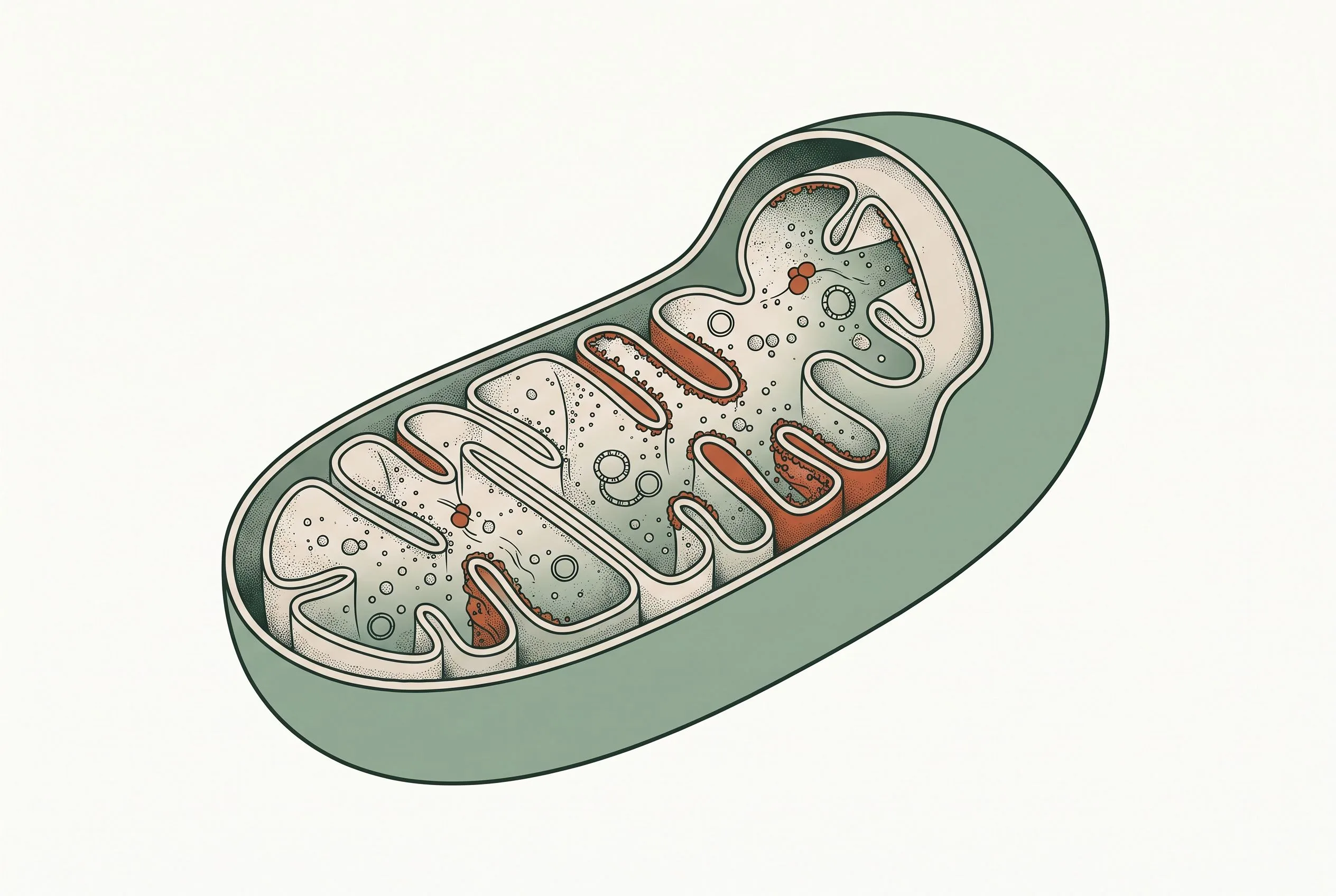
Fatigue is a recognized side effect of GLP-1 medications (such as semaglutide and tirzepatide). In clinical studies, about 7–11% of people taking these medications reported fatigue, compared with 3–5% on placebo.[1] It's usually mild, most noticeable when starting or increasing the dose, and often improves over time.[7]
Fatigue can also be a sign that your body isn't getting enough calories, fluids, nutrients, or sleep. The good news: there are practical steps to feel more energized.
1. Eat Enough — Even When You're Not Hungry
These medications work partly by reducing appetite. While eating less is expected, eating too little leaves you tired, weak, and low on energy. Studies show caloric intake can drop by 16–39% on these medications, which can lead to nutrient deficiencies if not managed carefully.[2]
What to do:
- Eat regular, small meals at consistent times each day — even without hunger. Don't skip meals.[3][4]
- Focus on nutrient-rich foods: fruits, vegetables, whole grains, lean proteins, nuts, seeds, low-fat dairy.[3]
- Eat protein first at each meal. Aim for about 60–75 grams per day (or as directed). Good sources: eggs, Greek yogurt, cottage cheese, fish, chicken, beans, lentils. Protein helps maintain muscle mass and energy.[5][1]
- Include whole grains (oats, brown rice, whole-grain bread) for sustained energy.[4]
- Limit fried, greasy, and sugary foods — these worsen nausea and don't provide lasting energy.[5]
- If you're struggling to eat enough, consider a protein shake or smoothie.
Warning signs of not eating enough: excessive fatigue, unusual hair loss, flaky or itchy skin, muscle weakness, poor wound healing, or easy bruising. Tell your care team if you notice any of these.[2]
2. Stay Well Hydrated
Dehydration is common on GLP-1s, especially with nausea, vomiting, or diarrhea. Even mild dehydration causes fatigue, dizziness, and headaches, and in rare cases can affect kidney function.[1]
What to do:
- Drink more than 2–3 liters (about 8–12 cups) of water per day.[4]
- Sip throughout the day rather than drinking large amounts at once.
- Eat water-rich foods: cucumbers, watermelon, oranges, soups, broths.
- If vomiting or having diarrhea, consider electrolyte drinks (low-sugar sports drinks or oral rehydration solutions).[4]
- Limit caffeine and alcohol, which worsen dehydration.
3. Prioritize Sleep
Good sleep is essential for energy and supports your weight management goals. Poor sleep quality is associated with reduced weight loss and lower adherence to diet and activity plans.[6]
What to do:
- Aim for 7–9 hours per night.
- Go to bed and wake up at the same time each day, including weekends.
- Avoid large meals within 2–3 hours of bedtime — this also reduces heartburn and nausea.[4]
- Limit screen time for at least 30 minutes before bed.
- Keep your bedroom cool, dark, and quiet.
- If you snore loudly, gasp during sleep, or feel very sleepy during the day, mention it to your provider — sleep apnea is common with overweight and may improve as you lose weight.
4. Stay Active
It may seem counterintuitive, but regular activity reduces fatigue and improves energy. Exercise also preserves muscle mass during weight loss, important for strength and metabolism.[5][1]
What to do:
- Aim for at least 150 minutes per week of moderate activity (brisk walking, swimming, cycling).[4]
- Include strength/resistance exercises at least 2 days per week.[5]
- Start slowly if new to exercise and build up gradually.
5. Consider a Daily Multivitamin
Because you're eating less, you may not get all the vitamins and minerals your body needs. Deficiencies in iron, vitamin D, vitamin B12, and other nutrients can cause or worsen fatigue.[2][3]
What to do:
- Ask your provider whether a daily multivitamin or specific supplements (vitamin D, calcium, iron) are right for you.[3]
- Don't start high-dose supplements on your own without medical guidance.
When to Call Your Care Team
Contact your provider if you experience:
- Fatigue that is severe, worsening, or doesn't improve with the steps above
- Persistent nausea, vomiting, or diarrhea that prevents eating or drinking[1]
- Signs of dehydration (dark urine, dizziness, very low urine output)
- Severe abdominal pain
- Unusual hair loss, skin changes, or muscle weakness[2]
- Feelings of depression or mood changes
Some fatigue is normal, especially early in treatment. By eating well, staying hydrated, sleeping enough, and staying active, most people find their energy improves significantly. Your care team is here to help — don't hesitate to reach out.
Frequently asked questions
Is fatigue a normal side effect of GLP-1 medications?
Yes — about 7–11% of people report fatigue in clinical studies, versus 3–5% on placebo. It's usually mild, most noticeable when starting or increasing the dose, and often improves over time. But it can also signal you're not getting enough calories, fluids, nutrients, or sleep, which are all fixable.
Why am I so tired on my GLP-1?
The most common reason is eating too little. These medications reduce appetite, and calorie intake can drop 16–39%, which can lead to nutrient deficiencies and low energy. Dehydration, poor sleep, and low protein intake also contribute. Eating regular meals, staying hydrated, and prioritizing protein and sleep usually help significantly.
How much protein should I eat to fight GLP-1 fatigue?
Aim for about 60–75 grams of protein per day (or as your provider directs), eating protein first at each meal. Good sources include eggs, Greek yogurt, cottage cheese, fish, chicken, beans, and lentils. Protein helps maintain muscle mass and energy. A protein shake or smoothie can help if you're struggling to eat enough.
When should I call my provider about fatigue?
Contact your care team if fatigue is severe, worsening, or doesn't improve with eating well, hydrating, sleeping, and staying active; if you have persistent nausea, vomiting, or diarrhea that stops you eating or drinking; signs of dehydration; severe abdominal pain; unusual hair loss, skin changes, or muscle weakness; or mood changes. These can point to an underlying issue that needs attention.
Sources
- Nutritional Priorities to Support GLP-1 Therapy for Obesity — Joint Advisory, Am J Clin Nutr 2025
- Lifestyle Modification and Incretin-Based Therapy for Obesity — Kushner et al., JAMA 2026
- Integrating Diet and Physical Activity When Prescribing GLP-1s — Mehrtash et al., JAMA Intern Med 2025
- GLP-1 Receptor Agonists — Rosen & Ingelfinger, NEJM 2026
- WEGOVY Prescribing Information — DailyMed (FDA)
- Effect of Sleep on Weight Loss During a Behavioral Weight Loss Intervention — Creasy et al., Int J Obes 2022
- Safety and Tolerability of Semaglutide Across SUSTAIN and PIONEER — Aroda et al., Diabetes Obes Metab 2023
This article is for education and does not replace your prescriber’s instructions or the FDA Medication Guide that comes with your medication. Clinical content reviewed by Dr. Prajeet Reddy, MD, Medical Director (Cyane Medical Group California PC).
$29/mo membership — the lowest in GLP-1 telehealth. No contracts.