Lifestyle
What to Eat on a GLP-1: Foods That Help (and Foods to Avoid)
Last clinically reviewed: July 16, 2026 by Dr. Prajeet Reddy, MD (Medical Director)
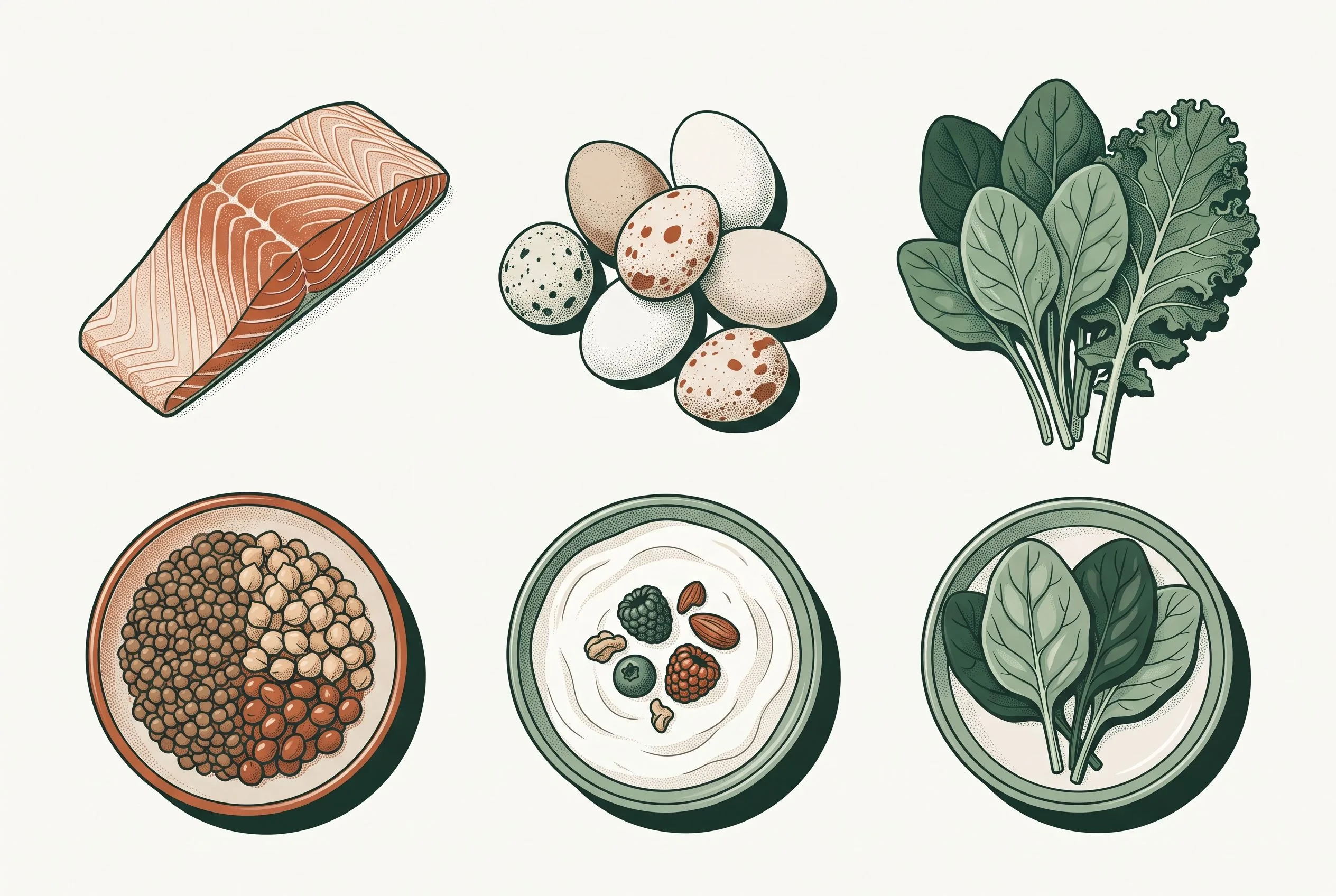
Your GLP-1 medication (such as semaglutide/Wegovy or tirzepatide/Zepbound) works by helping you feel full sooner and reducing food cravings. Because you will naturally eat less, it is important to make every bite count by choosing nutrient-rich foods. The tips below will help you get the most from your medication, protect your muscles and bones, and reduce common stomach side effects.
Your GLP-1 Nutrition Framework: MEAL
Researchers writing in JAMA Internal Medicine organize eating on a GLP-1 around the MEAL approach:[2]
- M — Muscle Maintenance: eat enough protein and stay active
- E — Energy Balance: choose smaller, nutrient-dense meals
- A — Avoid Side Effects: limit foods that trigger nausea, constipation, or reflux
- L — Liquid Intake: drink plenty of water throughout the day
How to Eat on Your Medication
Eat smaller, more frequent meals. Instead of two or three large meals, aim for four to six smaller meals or snacks spaced about 3–4 hours apart. Eating on a regular schedule — even when you are not very hungry — helps prevent nausea and keeps your energy steady.
Eat slowly and stop when you feel comfortably full. Your medication increases the feeling of fullness. Eating past that point is a common trigger for nausea and vomiting.
Prioritize protein at every meal. Protein helps you maintain muscle while losing weight. Aim for at least 60–75 grams of protein per day (or about 1.2–1.5 grams per kilogram of your body weight).[1][3] Good sources include:
- Chicken, turkey, and other lean poultry
- Fish and seafood
- Eggs
- Greek yogurt and cottage cheese
- Beans, lentils, and tofu
- Nuts, seeds, and nut butters
Try eating your protein first at each meal to make sure you get enough before you feel full.
Fill your plate with fruits and vegetables. Choose a variety of colorful options — berries, leafy greens, broccoli, carrots, tomatoes, and squash are all excellent choices. These provide vitamins, minerals, and fiber.
Choose whole grains over refined grains. Oats, quinoa, brown rice, and whole-grain bread provide sustained energy and fiber. Avoid white bread, pastries, and other refined carbohydrates when possible.
Include healthy fats in moderation. Olive oil, avocado, nuts, and seeds support vitamin absorption and overall health.
Stay well hydrated. Drink at least 2–3 liters (about 8–12 cups) of water per day. Your medication may reduce your sense of thirst, so set reminders to drink throughout the day. Dehydration can cause serious problems, including kidney injury, especially if you are experiencing vomiting or diarrhea.
Foods to Choose vs. Foods to Avoid
The table below, based on a joint advisory from four major nutrition and obesity medical societies, summarizes the best food choices while on your medication and the foods to limit or avoid.[1]
| ✅ Foods to Choose | ❌ Foods to Limit or Avoid |
|---|---|
| Fruits: berries, apples, citrus fruits, bananas, grapes, avocado | Refined carbohydrates: white bread, pastries, cookies, candy, added sugars |
| Vegetables: broccoli, leafy greens, tomatoes, carrots, peas, squash | Sugary drinks: soda, juice, sweetened coffee drinks |
| Whole grains: oats, quinoa, brown rice, whole-grain bread and pasta | Red and processed meats: bacon, sausage, hot dogs, deli meats |
| Dairy: yogurt, milk, cheese | Fast food: burgers, fried chicken, french fries |
| Lean proteins: chicken, turkey, fish, seafood, eggs | Sweets and savory snacks: chips, candy bars, ice cream |
| Nuts and seeds: almonds, peanuts, chia seeds, hemp seeds | Alcohol: beer, wine, liquor |
| Healthy fats/oils: olive oil, canola oil, avocado oil | |
| Ginger or peppermint tea (can help settle your stomach) |
Foods and Drinks That Can Worsen Stomach Side Effects
The most common side effects of GLP-1 medications are nausea (about 1 in 3 people), diarrhea, vomiting, and constipation. These are usually worst when you first start the medication or when your dose increases, and they typically improve over time.[4] The following foods and drinks can make these symptoms worse:
Nausea and vomiting triggers:
- Fried and greasy foods (french fries, fried chicken, fast food)
- High-fat foods (heavy cream sauces, rich desserts, fatty cuts of meat)
- Spicy foods (hot peppers, heavy seasoning)
- Very sugary foods and sweets
- Carbonated beverages (soda, sparkling water)
- Alcohol
- Very large meals or portions
Constipation triggers:
- Not drinking enough water
- Low-fiber diets (mostly processed or refined foods)
Diarrhea triggers:
- Large, high-fat meals
- Alcohol
- Excessive sugar or artificial sweeteners
Heartburn/reflux triggers:
- Spicy and fatty foods
- Lying down within 2–3 hours of eating
- Large portions
Tips to Manage Stomach Side Effects
- For nausea: eat a small breakfast even if you feel queasy — skipping meals can actually make nausea worse. Try ginger tea or peppermint tea, which may help settle your stomach.
- For constipation: gradually increase fiber-rich foods like prunes, dried fruits, vegetables, and whole grains. Drink more water. Ask your doctor about a fiber supplement (like psyllium/Metamucil) or a stool softener (like docusate/Colace) if diet changes are not enough.
- For diarrhea: avoid large or greasy meals. A fiber supplement can help add bulk to your stool.
- For heartburn/reflux: eat smaller portions, avoid spicy and fatty foods, and do not lie down for 2–3 hours after eating.
Vitamins and Supplements
Because you are eating less overall, you may not get enough of certain vitamins and minerals. Talk to your doctor about whether you should take:
- A daily multivitamin
- Vitamin D and calcium (important for bone health)
- Vitamin B12
- Other supplements based on your individual needs
When to Call Your Doctor
Contact your doctor's office if you experience:
- Nausea or vomiting that does not improve or prevents you from eating or drinking for more than a day
- Signs of dehydration (dark urine, dizziness, rapid heartbeat)
- Severe abdominal pain
- Severe constipation or diarrhea lasting more than a few days
Key Reminders
- Eat small, regular meals — do not skip meals
- Protein first at every meal
- Drink plenty of water throughout the day
- Avoid greasy, fried, spicy, and sugary foods
- Eat slowly and stop when comfortably full
- Stay active — exercise helps preserve muscle and supports digestion
Frequently asked questions
How much protein should I eat on a GLP-1?
Aim for at least 60–75 grams of protein per day (about 1.2–1.5 grams per kilogram of body weight). Eat your protein first at each meal so you get enough before feeling full — this helps preserve muscle while you lose weight.
What foods should I avoid on a GLP-1?
The main offenders are fried and greasy foods, high-fat meals, spicy foods, very sugary foods and drinks, refined carbohydrates, carbonated beverages, and alcohol — all of which can worsen nausea, reflux, and other stomach side effects.
Do I need vitamins on a GLP-1?
Possibly — because you eat less overall, you may fall short on certain nutrients. Ask your doctor about a daily multivitamin, vitamin D and calcium for bone health, and vitamin B12, based on your individual needs.
How much water should I drink on a GLP-1?
At least 2–3 liters (8–12 cups) per day. GLP-1 medications can reduce your sense of thirst, so set reminders — dehydration can cause serious problems, including kidney injury, especially during episodes of vomiting or diarrhea.
Sources
- Nutritional Priorities to Support GLP-1 Therapy for Obesity — Joint Advisory (ACLM, ASN, OMA, TOS), Am J Clin Nutr 2025
- Integrating Diet and Physical Activity When Prescribing GLP-1s — Mehrtash et al., JAMA Internal Medicine 2025
- Lifestyle Modification and Incretin-Based Therapy for Obesity — Kushner et al., JAMA 2026
- Managing Adverse Effects of Incretin-Based Medications for Obesity — Kushner et al., JAMA 2025
- AACE Consensus Statement: Evaluation and Treatment of Adults With Obesity — Endocrine Practice 2025
This article is for education and does not replace your prescriber’s instructions or the FDA Medication Guide that comes with your medication. Clinical content reviewed by Dr. Prajeet Reddy, MD, Medical Director (Cyane Medical Group California PC).
$29/mo membership — the lowest in GLP-1 telehealth. No contracts.