Side effects
How to Manage Nausea on GLP-1 Medications
Last clinically reviewed: July 16, 2026 by Dr. Prajeet Reddy, MD (Medical Director)
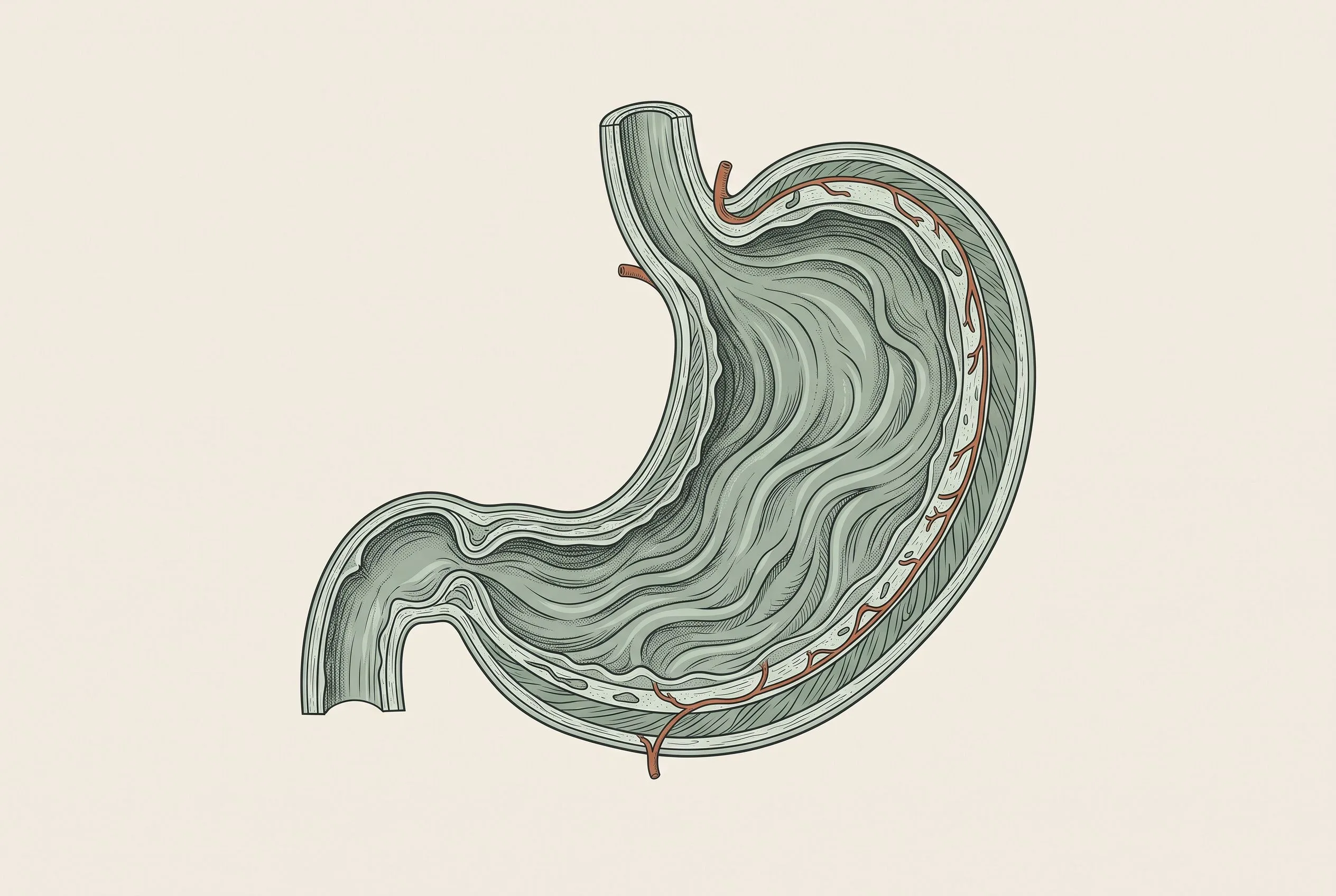
Nausea is the most common side effect of GLP-1 medications (such as semaglutide/Wegovy, tirzepatide/Zepbound, liraglutide/Saxenda, and dulaglutide/Trulicity). It is usually mild to moderate and most likely to happen during the first few weeks of treatment or after a dose increase. For most people, nausea improves over time as the body adjusts.[6][7]
Eating Strategies to Reduce Nausea
Eat smaller, more frequent meals. Instead of 2–3 large meals, try eating 4–6 smaller meals or snacks spaced every 3–4 hours throughout the day.
Don't skip meals — especially breakfast. Nausea is often worse in the morning or after long stretches without eating. Going without food can actually make nausea worse, creating a cycle that is hard to break.
Eat slowly. Take your time with each meal. Put your fork down between bites and chew thoroughly.
Avoid high-fat and fried foods. Greasy, heavy, or fried foods are harder to digest and can worsen nausea. Choose lean proteins (chicken, fish, eggs, beans) and lighter preparations (baked, grilled, steamed).
Limit spicy and very sugary foods. These can irritate the stomach and make nausea worse.
Cut back on alcohol and carbonated drinks. Both can aggravate stomach symptoms. Choose water, herbal tea, or other non-carbonated beverages instead.
Prioritize Protein and Hydration
- Protein: even when your appetite is low, try to include a source of protein at each meal (eggs, yogurt, lean meat, beans, tofu). Aim for 60–75 grams of protein per day (or about 1.2–1.5 grams per kilogram of body weight). This helps maintain muscle mass during weight loss.[4]
- Hydration: sip water or clear fluids throughout the day. Aim for at least 64 oz (8 cups) of fluid daily. These medications can reduce your sense of thirst, so set reminders if needed.[1]
Other Helpful Tips
- Try ginger or peppermint tea. These natural remedies can help settle the stomach.
- Acupressure wristbands (sold at most pharmacies for motion sickness) may also provide relief.
- Avoid lying down right after eating. Stay upright for at least 2–3 hours after a meal.
- Stay active. Light physical activity such as walking after meals can aid digestion and reduce nausea.
When to Contact Your Doctor or Care Team
Most nausea improves on its own, but call your doctor's office if you experience any of the following:
- Nausea or vomiting that lasts more than a few days and does not improve with the tips above
- Inability to keep food or liquids down for more than 24 hours
- Signs of dehydration: dark urine, dizziness, lightheadedness, dry mouth, or feeling faint
- Severe or worsening abdominal pain — especially pain in the upper abdomen that radiates to the back (this could be a sign of pancreatitis, a rare but serious condition)[5]
- Unintentional rapid weight loss or feeling very weak
- Heart palpitations or racing heartbeat
Seek emergency care immediately if you have:
- Persistent vomiting with inability to drink any fluids
- Severe abdominal pain
- Signs of a serious allergic reaction (swelling of the face, lips, or throat; difficulty breathing; severe rash)
Important Reminders
- Do not stop your medication without talking to your doctor first. Your dose may need to be adjusted rather than stopped entirely.
- Tell your doctor about all your symptoms early. There are prescription anti-nausea medications that can help during dose increases.[3]
- Dose increases are gradual for a reason. Your doctor will raise your dose slowly to give your body time to adjust. If nausea is severe, your doctor may keep you at a lower dose for longer.
Your care team is here to help you stay on track. Don't hesitate to reach out — managing side effects early leads to better long-term results.
Frequently asked questions
How long does GLP-1 nausea last?
For most people, nausea is most likely during the first few weeks of treatment and after each dose increase, then improves as the body adjusts. If nausea lasts more than a few days despite the eating strategies here, or you can't keep food or liquids down for more than 24 hours, contact your doctor.
Should I skip meals if I feel nauseated?
No — skipping meals, especially breakfast, often makes GLP-1 nausea worse and creates a cycle that's hard to break. Eat small, regular meals every 3–4 hours even when you're not hungry.
Are there medications for GLP-1 nausea?
Yes — prescription anti-nausea medications can help during dose increases. Tell your doctor about your symptoms early; your dose may also be held longer at a lower step rather than stopped entirely.
When is nausea on a GLP-1 an emergency?
Seek emergency care for persistent vomiting with inability to drink any fluids, severe abdominal pain (especially radiating to the back — a possible sign of pancreatitis), or signs of a serious allergic reaction like swelling of the face or throat or difficulty breathing.
Sources
- Integrating Diet and Physical Activity When Prescribing GLP-1s — Mehrtash et al., JAMA Internal Medicine 2025
- Nutritional Priorities to Support GLP-1 Therapy for Obesity — Joint Advisory, Am J Clin Nutr 2025
- Managing Adverse Effects of Incretin-Based Medications for Obesity — Kushner et al., JAMA 2025
- Lifestyle Modification and Incretin-Based Therapy for Obesity — Kushner et al., JAMA 2026
- GLP-1 Receptor Agonists — Rosen & Ingelfinger, NEJM 2026
- GI adverse events with GLP-1 receptor agonists: incidence and consequences — Horowitz et al., Diabetes Obes Metab 2017
- Nausea, vomiting and diarrhoea in GLP-1 trials: a systematic analysis — Bettge et al., Diabetes Obes Metab 2017
This article is for education and does not replace your prescriber’s instructions or the FDA Medication Guide that comes with your medication. Clinical content reviewed by Dr. Prajeet Reddy, MD, Medical Director (Cyane Medical Group California PC).
$29/mo membership — the lowest in GLP-1 telehealth. No contracts.