Side effects
Diarrhea on GLP-1s: When It's Normal and When It's Not
Last clinically reviewed: July 21, 2026 by Dr. Prajeet Reddy, MD (Medical Director)
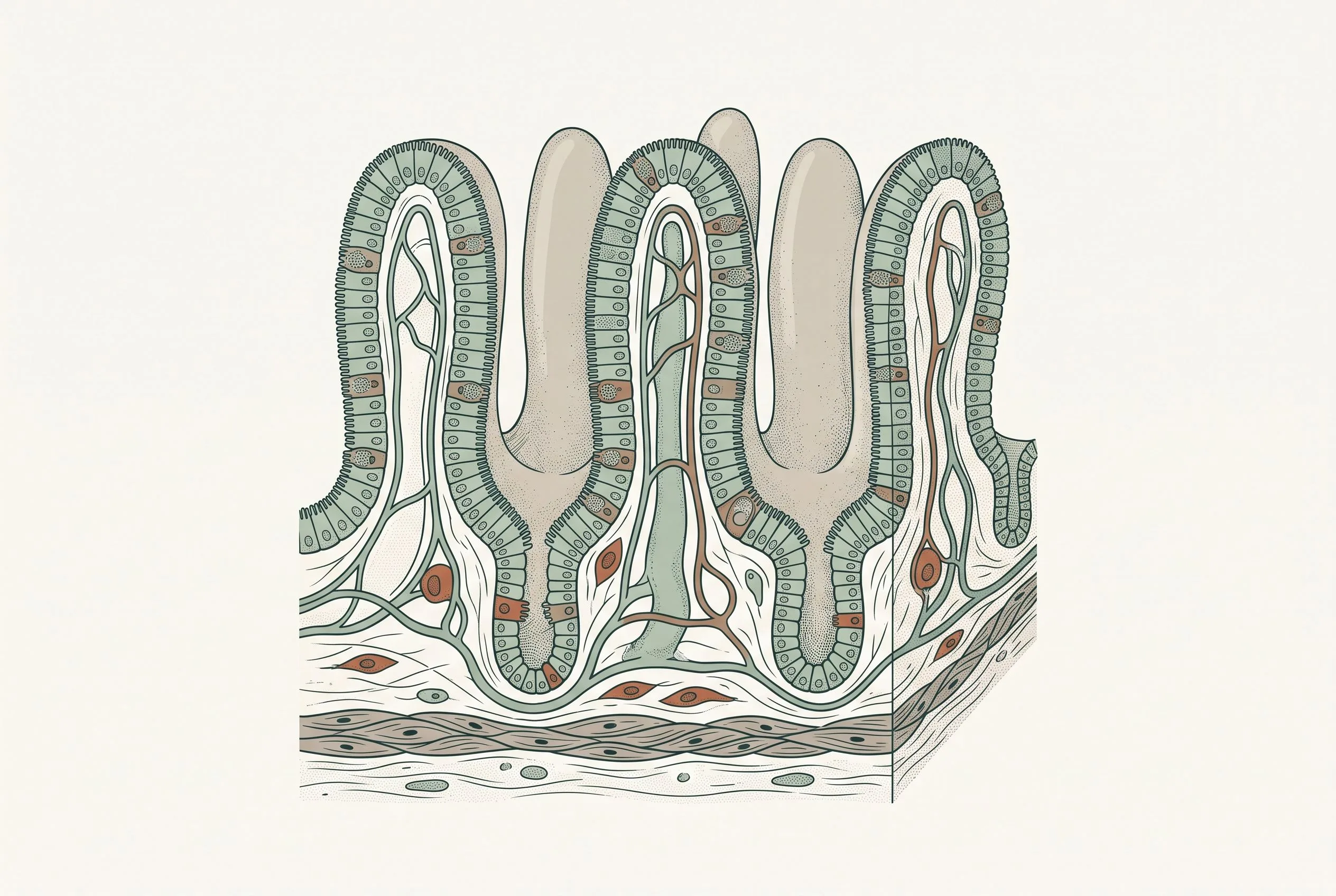
GLP-1 medications (semaglutide, tirzepatide, liraglutide, dulaglutide — Ozempic, Wegovy, Mounjaro, Zepbound, Trulicity, Saxenda, Rybelsus) mimic a natural hormone that controls blood sugar and appetite. Stomach and intestinal side effects are the most common effects of these drugs.[1]
Why Diarrhea Happens
Diarrhea affects roughly 1 in 4 to 1 in 3 people taking these medications.[2] The good news is that it's usually:
- Mild to moderate[3][1]
- Most common during the first few weeks or after a dose increase[2]
- Temporary — it tends to improve as your body adjusts[1]
Dietary Changes
- Eat smaller, more frequent meals — 4 to 6 small meals instead of 2 or 3 large ones.[2][4]
- Avoid high-fat and greasy foods, which can make diarrhea worse.[2][4]
- Avoid high-sugar foods and drinks, which can worsen loose stools.[4]
- Limit or avoid alcohol, which can irritate your stomach and intestines.[2]
- Try bland, easy-to-digest foods — bananas, rice, applesauce, toast, plain crackers, boiled potatoes.
- Eat slowly and stop when full — pushing past fullness can trigger stomach upset.[3]
Stay Hydrated
- Drink plenty of fluids — water, broth, and electrolyte drinks (Pedialyte or diluted sports drinks) are good choices.[4][3]
- Sip throughout the day rather than drinking large amounts at once.
- Diarrhea can cause dehydration, which in rare cases can affect your kidneys. Staying well hydrated is very important.[3]
Over-the-Counter Remedies
- Fiber supplements (psyllium/Metamucil) can add bulk to your stool and reduce loose bowel movements.[2]
- Anti-diarrheal medications (loperamide/Imodium) can give short-term relief for bothersome episodes. Use as directed.[2][3]
When to Call Your Doctor
Contact your provider if you experience:
- Diarrhea that lasts more than a few days or is getting worse
- Severe or watery diarrhea happening many times a day
- Signs of dehydration: very thirsty, dark urine, dizziness, lightheadedness, or dry mouth
- Blood in your stool
- Severe stomach pain
- Fever along with diarrhea
- Being unable to keep fluids down due to vomiting along with diarrhea
Tips at a Glance
| Do | Don't |
|---|---|
| Eat small, frequent meals | Eat large or heavy meals |
| Choose bland, low-fat foods | Eat greasy, fried, or spicy foods |
| Drink fluids throughout the day | Wait until you're very thirsty to drink |
| Use fiber supplements for loose stools | Ignore diarrhea lasting more than a few days |
| Call your doctor if symptoms are severe | Stop your medication without talking to your doctor |
Important Reminders
- Do not stop your medication on your own. If side effects bother you, talk to your doctor — they may slow your dose increase, temporarily lower your dose, or prescribe something to help.[2][3]
- Gradual dose increases help. Your doctor raises your dose slowly on purpose — this gives your body time to adjust and reduces side effects.[2]
- Side effects usually improve. Most people find diarrhea and other stomach symptoms get better within a few weeks on a stable dose.[5][1]
- Keep all follow-up appointments so your doctor can monitor you and adjust treatment if needed.
Frequently asked questions
Is diarrhea normal when starting a GLP-1?
Yes — GI side effects are the most common effects of GLP-1s, and diarrhea affects roughly 1 in 4 to 1 in 3 people. It's usually mild to moderate, most common during the first few weeks or after a dose increase, and tends to improve as your body adjusts to the medication.
What should I eat if I have diarrhea on a GLP-1?
Choose small, frequent, bland, low-fat meals — bananas, rice, applesauce, toast, plain crackers, boiled potatoes. Avoid high-fat, greasy, sugary, and spicy foods and alcohol, which can worsen loose stools. Eat slowly and stop when full. Stay hydrated with water, broth, and electrolyte drinks sipped throughout the day.
Can I take Imodium for GLP-1 diarrhea?
Anti-diarrheal medications like loperamide (Imodium) can give short-term relief for bothersome episodes — use as directed on the package. Fiber supplements such as psyllium (Metamucil) can add bulk and reduce loose stools. Check with your provider, especially if diarrhea is frequent or persistent.
When is diarrhea on a GLP-1 a warning sign?
Call your provider for diarrhea lasting more than a few days or getting worse; severe or watery diarrhea many times a day; blood in your stool; severe stomach pain; fever with diarrhea; signs of dehydration (very thirsty, dark urine, dizziness, dry mouth); or being unable to keep fluids down because of vomiting alongside diarrhea. Don't stop your medication on your own.
Sources
- Semaglutide for Adults Living With Obesity — Cochrane Review 2025
- Nutritional Priorities to Support GLP-1 Therapy for Obesity — Joint Advisory, Am J Clin Nutr 2025
- Semaglutide Therapy for MASH: AASLD Practice Guidance Update — Bansal et al., Hepatology 2025
- GLP-1 and GIP Receptor Agonists: Effects on the GI Tract — Saha et al., Mayo Clin Proc 2025
- Clinical Recommendations to Manage GI Adverse Events With GLP-1 RAs: Expert Consensus — Gorgojo-Martínez et al., J Clin Med 2022
This article is for education and does not replace your prescriber’s instructions or the FDA Medication Guide that comes with your medication. Clinical content reviewed by Dr. Prajeet Reddy, MD, Medical Director (Cyane Medical Group California PC).
$29/mo membership — the lowest in GLP-1 telehealth. No contracts.