Safety
Pancreatitis and GLP-1s: Symptoms That Need Immediate Care
Last clinically reviewed: July 21, 2026 by Dr. Prajeet Reddy, MD (Medical Director)
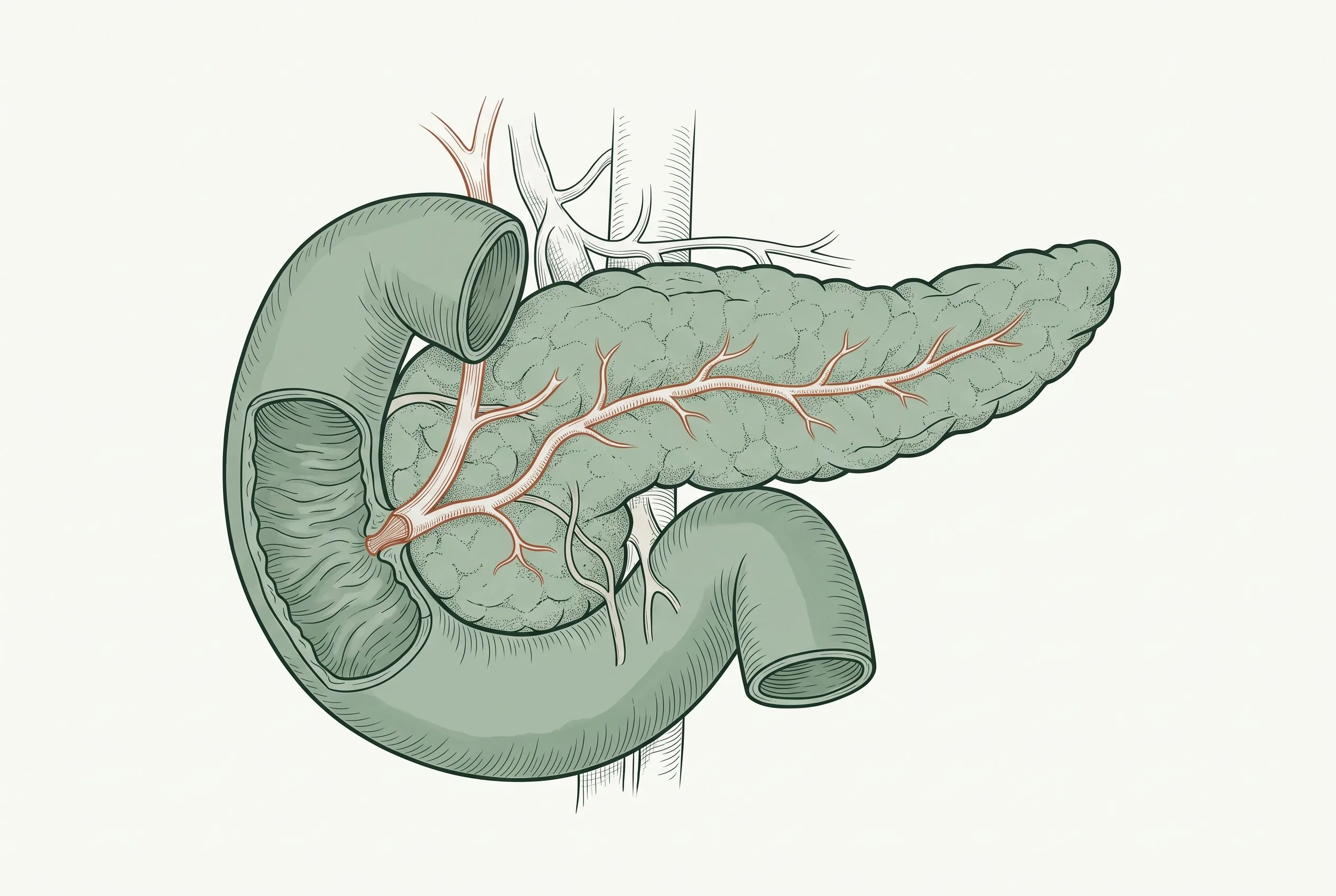
Pancreatitis is inflammation of the pancreas, an organ in your upper abdomen that helps with digestion and blood sugar control. Acute pancreatitis can cause severe abdominal pain and, in rare cases, become a serious medical emergency.
Can My GLP-1 Medication Cause Pancreatitis?
Pancreatitis is a rare but recognized side effect listed in the prescribing information for all GLP-1 receptor agonists, including semaglutide (Ozempic, Wegovy, Rybelsus), liraglutide (Victoza, Saxenda), dulaglutide (Trulicity), and tirzepatide (Mounjaro, Zepbound).[1] Large clinical studies show the overall risk is very low, and many have not found a clear increase compared with patients not taking these medications.[4][5] However, cases have been reported, and the risk may be slightly higher during the first few months of treatment.[2]
Warning Symptoms — When to Seek Medical Attention Right Away
Call your doctor or go to the emergency room immediately if you experience:
- Sudden, severe pain in the upper abdomen — the most important warning sign. It may be constant and intense, and often gets worse after eating.
- Pain that spreads to your back — abdominal pain radiating straight through to the back is a classic sign of pancreatitis.
- Nausea and vomiting that are different from your usual side effects — new or worsening nausea and vomiting, especially with severe abdominal pain, could signal pancreatitis.
- Fever or rapid heartbeat along with abdominal pain.
- Abdominal tenderness — your belly feels very sore to the touch.
These warning signs are consistent with those in the FDA prescribing information for GLP-1 receptor agonists.[1]
How Is Pancreatitis Different From Common Side Effects?
Many people have mild nausea, bloating, or stomach discomfort when starting a GLP-1. These are usually mild, happen mainly in the first few weeks, and improve over time.[3] Pancreatitis pain is different — typically sudden, severe, persistent, and in the upper abdomen, often radiating to the back. If your symptoms feel more intense or different from your usual side effects, don't wait — seek medical care.
Are You at Higher Risk?
Let your doctor know if you have any of the following, as they may increase your risk:
- A history of pancreatitis
- Gallstones or gallbladder problems
- Heavy alcohol use
- Very high triglyceride levels
Current prescribing guidance recommends that patients with a history of pancreatitis carefully discuss the risks and benefits with their doctor before starting a GLP-1.[2]
What Happens if Pancreatitis Is Suspected?
- Your medication will be stopped right away.
- Your doctor will run tests (blood work and possibly imaging) to confirm the diagnosis.
- If pancreatitis is confirmed, your GLP-1 medication should not be restarted.
These steps are recommended by both the FDA prescribing information and the American Association for the Study of Liver Diseases (AASLD) practice guidance.[1][2]
Key Takeaways
- Pancreatitis is rare but serious. Knowing the warning signs helps you get treatment quickly.
- Severe upper-abdominal pain — especially if it radiates to your back and comes with nausea or vomiting — is the most important symptom to watch for.
- Don't ignore new or worsening abdominal pain. When in doubt, call your doctor or go to the emergency room.
- Keep all follow-up appointments so your care team can monitor you while you're on this medication.
This page is for information and does not replace medical advice from your provider. For a medical emergency, call 911 or seek immediate emergency care.
Frequently asked questions
Can my GLP-1 medication cause pancreatitis?
Pancreatitis is a rare but recognized side effect listed in the prescribing information for all GLP-1 medications. Large studies show the overall risk is very low, and many have not found a clear increase compared with people not taking these medications — though cases have been reported and risk may be slightly higher in the first few months of treatment.
How do I tell pancreatitis apart from normal GLP-1 side effects?
Ordinary GLP-1 nausea, bloating, and stomach discomfort are usually mild, happen mainly in the first few weeks, and improve over time. Pancreatitis pain is different: sudden, severe, persistent, in the upper abdomen, and often radiating straight through to the back — frequently worse after eating and sometimes with vomiting, fever, or a very tender belly. If your symptoms feel more intense or different from your usual side effects, don't wait — seek care.
Who is at higher risk of pancreatitis on a GLP-1?
Tell your doctor if you have a history of pancreatitis, gallstones or gallbladder problems, heavy alcohol use, or very high triglycerides — these may increase risk. Current guidance recommends that people with a history of pancreatitis carefully weigh the risks and benefits with their doctor before starting a GLP-1.
What happens if pancreatitis is suspected?
Your medication will be stopped right away, and your doctor will run blood tests and possibly imaging to confirm the diagnosis. If pancreatitis is confirmed, the GLP-1 should not be restarted. These steps follow both the FDA prescribing information and AASLD practice guidance.
Sources
- Liraglutide Prescribing Information — DailyMed (FDA)
- Semaglutide Therapy for MASH: AASLD Practice Guidance Update — Bansal et al., Hepatology 2025
- 2020 Expert Consensus Decision Pathway on Novel Therapies for CV Risk Reduction in T2D — Das et al., JACC 2020
- GLP-1 Receptor Agonists — Rosen & Ingelfinger, NEJM 2026
- GLP-1 RA Use Does Not Increase Risk for Acute Pancreatitis: A Multicenter Analysis — Nieto et al., Am J Gastroenterol 2025
This article is for education and does not replace your prescriber’s instructions or the FDA Medication Guide that comes with your medication. Clinical content reviewed by Dr. Prajeet Reddy, MD, Medical Director (Cyane Medical Group California PC).
$29/mo membership — the lowest in GLP-1 telehealth. No contracts.