Safety
Can GLP-1s Cause Low Blood Sugar If You Don't Have Diabetes?
Last clinically reviewed: July 21, 2026 by Dr. Prajeet Reddy, MD (Medical Director)
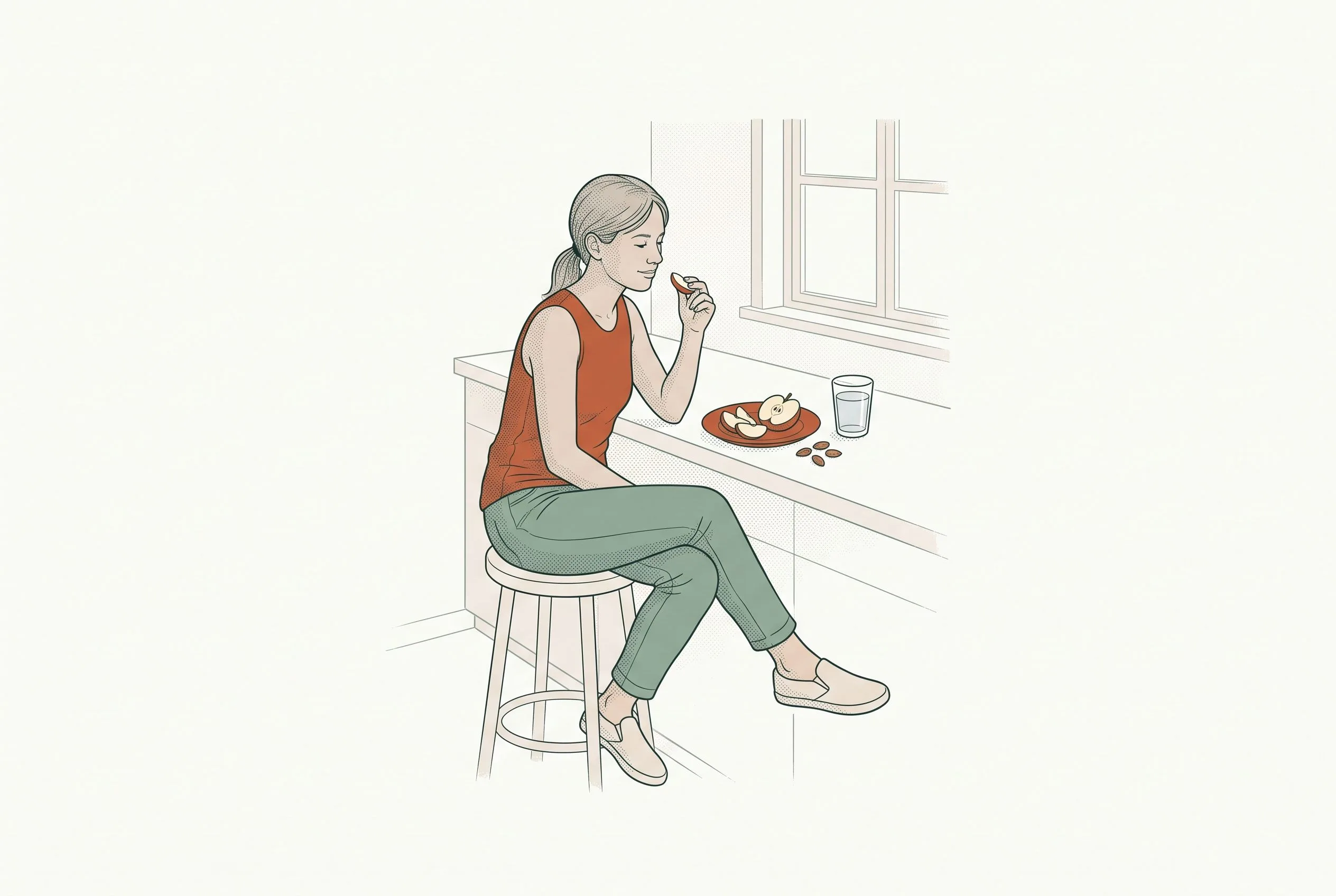
GLP-1 receptor agonists (such as semaglutide and liraglutide, sold as Wegovy and Saxenda) are used for weight management and other conditions. Though originally developed for diabetes, they're now widely prescribed for people who don't have diabetes.
Can GLP-1 Medications Cause Low Blood Sugar?
The risk of dangerously low blood sugar (hypoglycemia) with GLP-1 medications used alone is very low. That's because they work in a "glucose-dependent" way — they mainly affect your blood sugar when it's elevated. When your blood sugar is already normal, the medication has much less effect on it.[1][2]
What Does the Research Show?
In clinical trials of people without diabetes taking GLP-1s for weight loss, low-blood-sugar episodes were uncommon and almost always mild. In the SCALE trial — one of the largest studies of liraglutide in non-diabetic patients — no severe episodes (requiring help from another person) were reported. Mild symptoms, when they occurred, resolved on their own without emergency treatment.[3] A real-world study also confirmed that GLP-1s carry a significantly lower risk of low blood sugar than older diabetes medications like sulfonylureas.[5]
The American College of Cardiology states that GLP-1s are "unlikely to cause hypoglycemia on their own."[4]
Symptoms of Low Blood Sugar
Even though the risk is low, it helps to know the signs:
- Shakiness or trembling
- Sweating
- Feeling lightheaded or dizzy
- Hunger
- Fast heartbeat
- Irritability or confusion
- Weakness or fatigue
When Is the Risk Higher?
Your risk may increase if you:
- Skip meals or eat much less than usual
- Exercise much more than usual without eating enough
- Drink alcohol on an empty stomach
- Take other medications that lower blood sugar (such as insulin or sulfonylureas) — mainly a concern for people with diabetes[2][4]
What Should You Do if You Feel Symptoms?
- Eat or drink something with sugar right away — about 15 grams, such as 4 ounces of juice, a few glucose tablets, or a tablespoon of honey.
- Sit down and rest until you feel better.
- If symptoms don't improve within 15 minutes, have another serving of sugar.
- If symptoms are severe, or you feel confused or unable to swallow, have someone call 911.
Tips to Reduce Your Risk
- Eat regular meals and snacks. Don't skip meals.
- Stay hydrated, especially during hot weather or exercise.
- If you exercise, have a small snack beforehand if it's been several hours since your last meal.
- Tell your doctor about all medications you take, including over-the-counter products and supplements.
When to Call Your Doctor
Contact your provider if you:
- Have repeated episodes of low blood sugar symptoms
- Feel symptoms that don't go away after eating
- Have questions about how your medication may interact with other treatments
Key takeaway: GLP-1 medications used on their own carry a very low risk of causing low blood sugar in people without diabetes. Eating regular meals and being aware of the symptoms are simple steps to stay safe.[1][2][4]
Frequently asked questions
Can GLP-1s cause low blood sugar if I don't have diabetes?
The risk is very low when GLP-1s are used on their own. They work in a glucose-dependent way — mainly affecting blood sugar when it's elevated, with much less effect when it's already normal. In clinical trials of non-diabetic people taking GLP-1s for weight loss, low-sugar episodes were uncommon and almost always mild, and the large SCALE trial reported no severe episodes.
What are the symptoms of low blood sugar?
Shakiness or trembling, sweating, feeling lightheaded or dizzy, hunger, a fast heartbeat, irritability or confusion, and weakness or fatigue. Even though the risk on a GLP-1 alone is low, it's useful to recognize these so you can respond quickly.
When is my risk of low blood sugar higher on a GLP-1?
Risk rises if you skip meals or eat much less than usual, exercise much more than usual without eating enough, drink alcohol on an empty stomach, or take other blood-sugar-lowering medications like insulin or sulfonylureas (mainly a concern for people with diabetes). Tell your doctor about all your medications and supplements.
What should I do if I feel low blood sugar symptoms?
Eat or drink about 15 grams of fast-acting sugar right away — 4 ounces of juice, a few glucose tablets, or a tablespoon of honey — then sit and rest. If symptoms don't improve within 15 minutes, have another serving. If symptoms are severe, or you feel confused or can't swallow, have someone call 911. Contact your provider if you have repeated episodes or symptoms that don't resolve after eating.
Sources
- Early T2D Treatment Intensification With GLP-1 RAs in Primary Care — Rasalam et al., Diabetes Obes Metab 2023
- SGLT2 Inhibitors and GLP-1 Receptor Agonists: Established and Emerging Indications — Brown et al., Lancet 2021
- DPP-4 Inhibitors and GLP-1 Analogues for Prevention of T2D — Hemmingsen et al., Cochrane Review 2017
- 2020 Expert Consensus Decision Pathway on Novel Therapies for CV Risk Reduction in T2D — Das et al., JACC 2020
- Glucose-Lowering Agents and the Risk of Hypoglycemia: A Real-World Study — Lyu et al., J Gen Intern Med 2023
This article is for education and does not replace your prescriber’s instructions or the FDA Medication Guide that comes with your medication. Clinical content reviewed by Dr. Prajeet Reddy, MD, Medical Director (Cyane Medical Group California PC).
$29/mo membership — the lowest in GLP-1 telehealth. No contracts.