Side effects
Sulfur Burps and Acid Reflux on GLP-1s: What to Do
Last clinically reviewed: July 21, 2026 by Dr. Prajeet Reddy, MD (Medical Director)
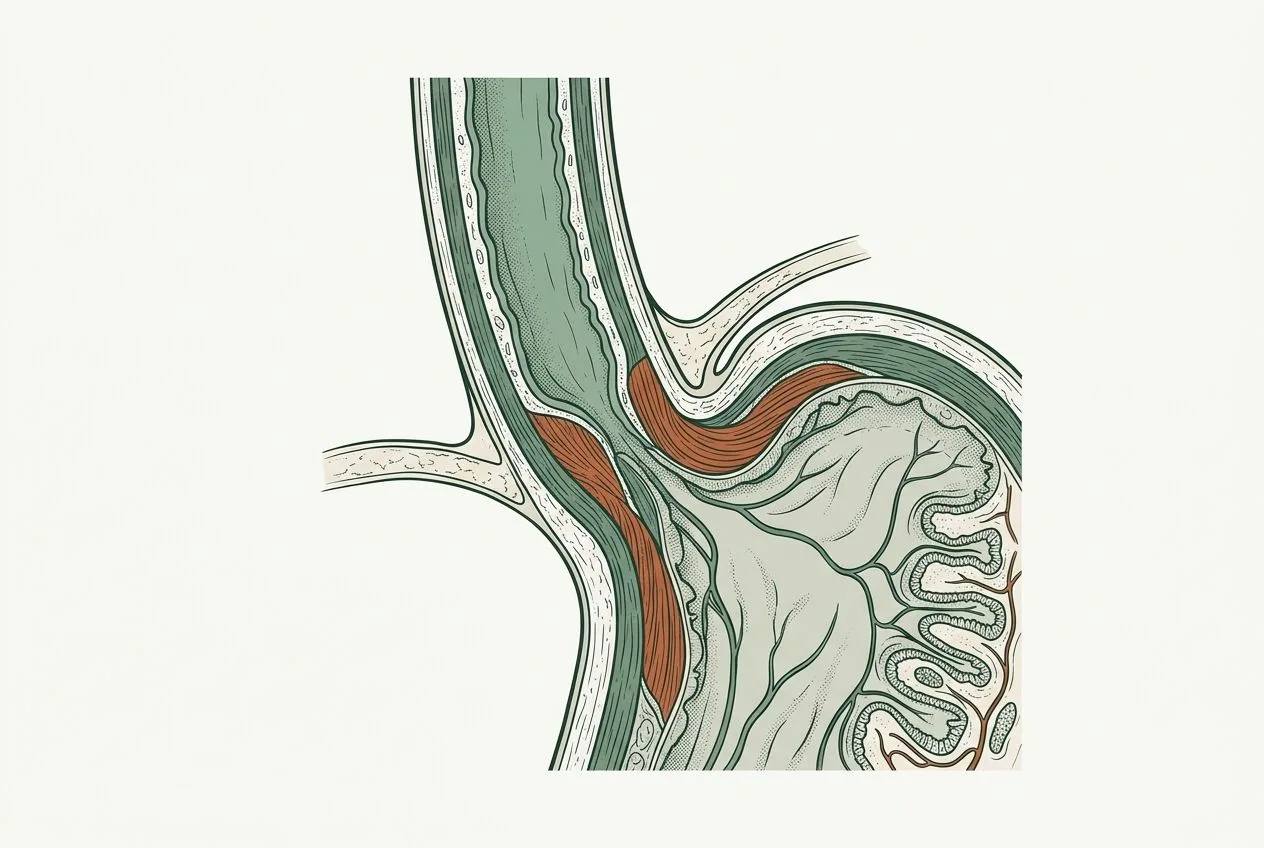
GLP-1 medications (semaglutide and tirzepatide, sold as Ozempic, Wegovy, Mounjaro, and Zepbound) work by slowing how quickly your stomach empties and reducing appetite. They're very effective, but that slowed emptying can cause belching (eructation) and acid reflux (heartburn).[1]
Why Belching and Reflux Happen
When food stays in the stomach longer, it can cause:
- Belching (eructation): gas builds up and is released upward. This affects up to about 7% of people on these medications.[1]
- Acid reflux (heartburn/GERD): stomach acid backs up into the esophagus, causing a burning feeling in the chest or throat. This affects about 5% of people, and a large review of trials found GLP-1s approximately double reflux risk versus placebo.[4]
- In a real-world study of nearly 165,000 patients, about one-third experienced some GI side effect, with reflux occurring in roughly 9% within the first year.[5]
These symptoms are most common when you first start or increase your dose, and they usually improve over time.[1]
What You Can Do: Eating Habits
- Eat smaller, more frequent meals. Instead of 2–3 large meals, try 4–6 smaller ones. Large meals are more likely to trigger belching and reflux.[1][3]
- Eat slowly and mindfully. Put your fork down between bites. Stop when comfortably satisfied — not stuffed.[1]
- Avoid fatty, fried, and greasy foods. These slow stomach emptying further and worsen both belching and reflux.[3][2]
- Limit spicy foods if they trigger your symptoms.[2]
- Avoid carbonated beverages (soda, sparkling water, seltzer). The gas adds to stomach gas and belching.[2]
- Limit or avoid alcohol, which can worsen both nausea and reflux.[3]
- Don't lie down for 2–3 hours after eating. Stay upright to keep acid from backing up.[2]
What You Can Do: Lifestyle Changes
- Elevate the head of your bed with 6-inch blocks or a wedge pillow to prevent nighttime reflux.
- Avoid tight-fitting clothing around your waist, which puts pressure on your stomach.
- Stay well hydrated — 2–3 liters (8–12 cups) of water per day, sipped throughout the day.[3]
- Chew gum after meals to stimulate saliva, which helps neutralize acid.
- Try ginger or peppermint tea for mild nausea or stomach discomfort.[1]
Over-the-Counter Medications That May Help
- Antacids (Tums, Maalox) give quick, short-term heartburn relief.
- H2 blockers (famotidine/Pepcid) reduce stomach acid; take before meals or at bedtime.
- Proton pump inhibitors (PPIs) (omeprazole/Prilosec, esomeprazole/Nexium) are stronger acid reducers. In a large real-world study, GLP-1 patients were 15% more likely to need a PPI prescription — if you need one regularly, talk to your doctor.[2]
- Simethicone (Gas-X) may relieve gas and bloating.
Don't start any new medication without discussing it with your provider first.
When to Contact Your Doctor
Call your provider if you experience:
- Reflux or belching that doesn't improve after 2–4 weeks of these tips
- Difficulty swallowing or pain when swallowing
- Unintentional weight loss beyond what's expected from treatment
- Vomiting that doesn't stop, or vomiting blood
- Severe or persistent abdominal pain
- Black or tarry stools
- Signs of dehydration: dizziness, dark urine, dry mouth, or feeling faint[3]
Important Reminders
- These side effects are usually temporary and improve as your body adjusts.[1]
- Don't stop or change your dose without talking to your doctor. They may slow your dose increases or keep you at a lower dose longer to manage symptoms.[1]
- The health benefits of your medication generally outweigh these temporary digestive side effects.[1]
- Keep follow-up appointments so your care team can monitor your progress and adjust treatment as needed.
Frequently asked questions
Why do I get sulfur burps and reflux on a GLP-1?
GLP-1 medications slow how quickly your stomach empties. When food stays in the stomach longer, gas builds up and is released as belching (which can smell of sulfur), and stomach acid is more likely to back up into the esophagus as reflux. Both are most common when you start the medication or increase the dose, and they usually improve over time.
How common is acid reflux on GLP-1 medications?
Reflux (heartburn/GERD) affects about 5% of people in clinical trials, and a large meta-analysis found GLP-1s roughly double reflux risk compared with placebo. In a real-world study of nearly 165,000 patients, about a third had some GI side effect and reflux occurred in roughly 9% within the first year. Belching affects up to about 7%.
What can I do about reflux and belching on a GLP-1?
Eat smaller, more frequent meals slowly and stop when satisfied; avoid fatty, fried, greasy, and spicy foods, carbonated drinks, and alcohol; don't lie down for 2–3 hours after eating; elevate the head of your bed or use a wedge pillow; avoid tight waistbands; and stay hydrated. OTC antacids (Tums), H2 blockers (famotidine/Pepcid), PPIs (omeprazole), or simethicone (Gas-X) may help — check with your provider first.
When should I call my doctor about reflux on a GLP-1?
Call if reflux or belching doesn't improve after 2–4 weeks of these tips, or if you have difficulty or pain swallowing, unexpected weight loss, vomiting that won't stop or vomiting blood, severe or persistent abdominal pain, black or tarry stools, or signs of dehydration. Don't stop or change your dose on your own — your provider may slow your dose increases instead.
Sources
- Nutritional Priorities to Support GLP-1 Therapy for Obesity — Joint Advisory, Am J Clin Nutr 2025
- Integrating Diet and Physical Activity When Prescribing GLP-1s — Mehrtash et al., JAMA Intern Med 2025
- ADA/EASD Consensus Report: Management of Hyperglycemia in Type 2 Diabetes — Diabetes Care 2022
- GLP-1 RAs and Gastrointestinal Adverse Events: Systematic Review and Meta-Analysis — Chiang et al., Gastroenterology 2025
- Incidence of GI Adverse Events With GLP-1 Analogs: A Real-World Study — Nathani et al., Dig Dis Sci 2026
This article is for education and does not replace your prescriber’s instructions or the FDA Medication Guide that comes with your medication. Clinical content reviewed by Dr. Prajeet Reddy, MD, Medical Director (Cyane Medical Group California PC).
$29/mo membership — the lowest in GLP-1 telehealth. No contracts.